
Bristol Braille Technology
Bristol Braille Technology CIC is a social enterprise developing innovative assistive technologies that improve access to information for blind and visually impaired people.
Through the Scaling Innovation Programme, the organisation explored how tactile mapping and accessible transport information could help remove barriers that prevent blind people from travelling with confidence and independence.
The Challenge
Access to information is fundamental to accessible transport. While many transport services provide journey planning tools and accessibility information, much of this is not available in formats that work effectively for blind people.
As a result, blind travellers can face barriers when trying to understand how routes connect, navigate unfamiliar stations, identify interchanges or plan journeys with confidence. These barriers can limit access to employment, education, services and social opportunities.
Their project focused on addressing this challenge by developing a tactile transport information system that enables blind people to access spatial information about transport networks in formats designed around their needs and preferences.
The Innovation
They developed the Canute Tactile Transport Information System which combines tactile maps, Braille information and transport data to create a new way for blind people to explore and understand transport networks.
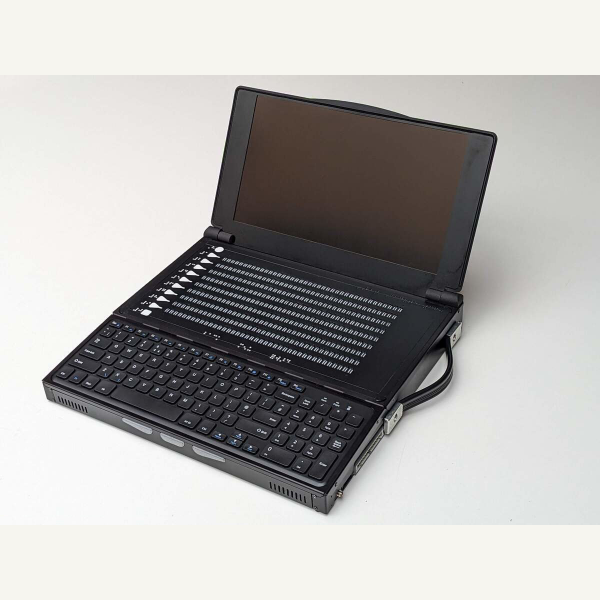
Developed for the Canute Console, a multi-line digital Braille display, the system generates tactile maps showing routes, connections between services and the location of transport hubs. The project also developed a process for producing embossed paper maps that can be distributed at low cost or printed locally.
Importantly, the system was designed with blind people. Rather than adapting visual maps, the project focused on presenting information in ways that maximise usability, efficiency and independence for blind users. The project also brought together existing accessibility resources, helping users discover information and support that is often available but not widely known.
Co-creation with blind people and organisations
Meaningful involvement from blind people shaped every stage of the project.
The team worked with Sight Loss Councils, blind transport users, assistive technology groups and accessibility organisations to understand how transport information could be made more useful and accessible. Testing took place with a diverse group of users, including Deaf-blind participants, helping ensure the system reflected a wide range of experiences and access requirements.
Feedback directly influenced the design of the maps, including how information was organised, how routes were represented and how supporting information was linked to the tactile content. Through repeated testing and refinement, the team identified approaches that improved usability while reducing information overload.
The project also created opportunities for blind developers, testers and technology specialists to contribute directly to the development process, helping ensure that people with lived experience were involved as creators as well as users.
Impact
The project has demonstrated how accessible information can help remove barriers within the transport system.
Testing showed that tactile mapping can support greater confidence when planning journeys and exploring unfamiliar routes. Participants highlighted the value of being able to access information that had previously been difficult to obtain, as well as discovering existing accessibility resources that could support independent travel.
One tester identified a bus route they had not previously known about, creating new opportunities to travel within their local area.
The project also established new partnerships with organisations including Network Rail, Guide Dogs, Sight Loss Councils and the Technology Association of the Visually Impaired, creating opportunities for future collaboration and wider adoption.
What Happens Next?
The technology is already available in prototype form and requires relatively limited further development. The next stage will focus on working with transport operators and partners to support wider deployment and real-world adoption.
Future plans include expanding trials, developing partnerships with transport providers and exploring how tactile transport information could be integrated into stations, transport hubs and customer information services.
By making transport information available in formats that work for blind people, the Canute Tactile Transport Information System demonstrates how innovation and co-production can help create a more inclusive transport system that offers greater choice, confidence and independence.